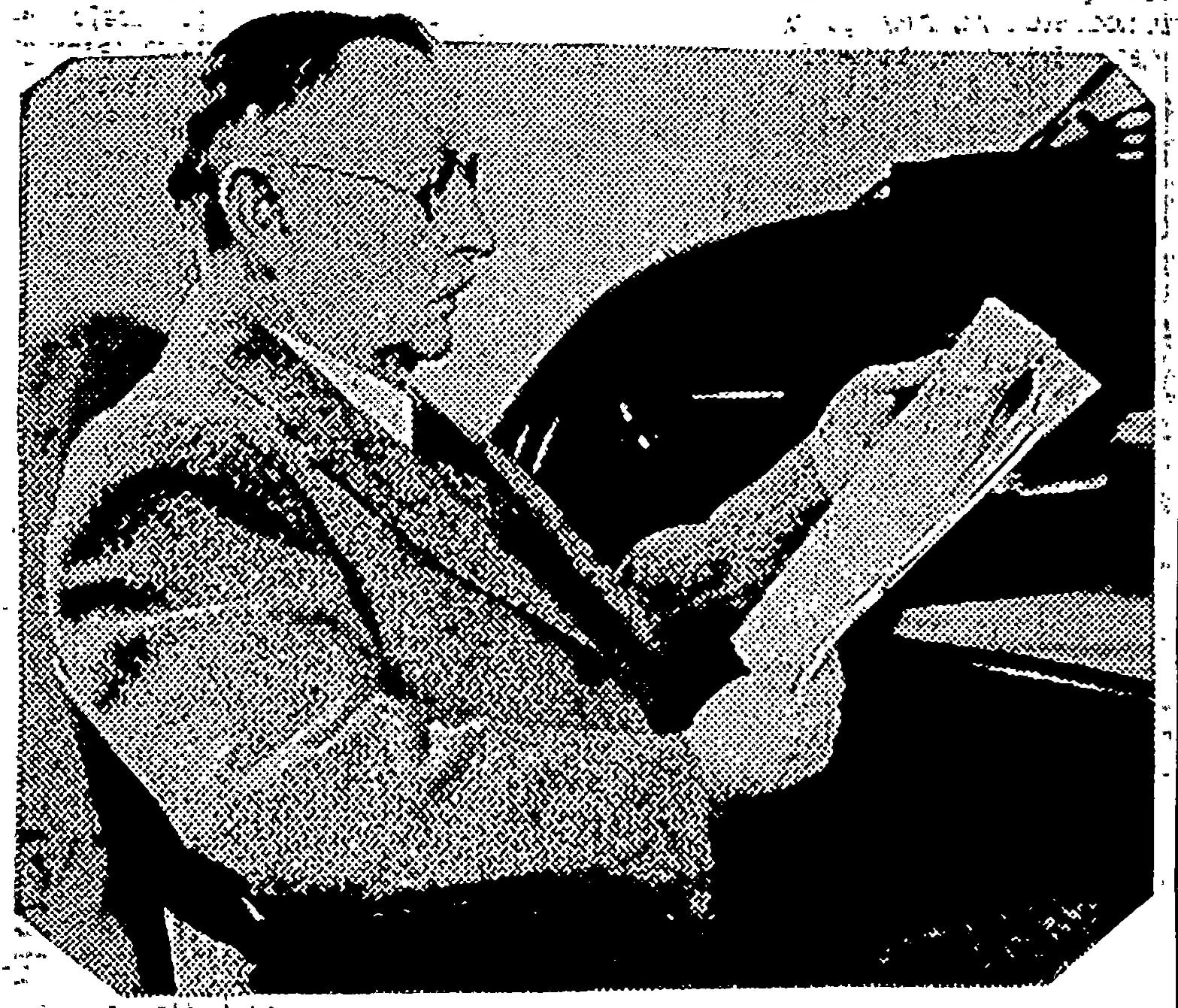
Frank Wiedlocher, a charter member of the Bull Club, founded Wiedlocher & Sons feed mill at Fourth and Reynolds streets (photo circa 1931, courtesy State Journal-Register)
Entrepreneurial Germans made up the heart of the Bull Club and its offshoot, the Bull Calves – which came into existence because none of the Bulls wanted to let their sons join the older club.
“A lot of us were peeved because the Bull Club wouldn’t admit us,” Frank Reisch (1876-1949) told Illinois State Journal editor J. Emil Smith in 1933. “They told us we were too young.
“I talked the matter over with Al Thoma (whose father Hugo also was a Bull), and we organized the (Calves).”
As members of both clubs aged, however, the Bulls and Calves coalesced – “Now we are as old as the members of the Bull Club when they were in their heyday,” Reisch told Smith – and the Calves ended up inheriting the older club’s grounds along Spring Creek northwest of Springfield. Between them, the clubs for decades hosted burgoos, ball games and similar events at the site.
At least 13 of the 14 men who founded the Bull Club in 1894 were German, and the combined membership remained heavily German for the entire 40 years the two clubs were active.
Those charter members of the Bull Club were a cross-section of Springfield’s burgeoning German business community in the 1890s. In addition to the Reisch brewing family – there were multiple Reisches among both the Bulls and the Calves – the three original Bulls who remained alive in 1934 are prime examples.
Henry Dresch
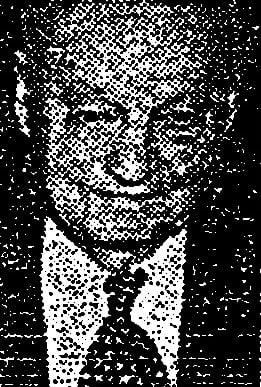
Dresch (SJ-R)
Henry Dresch (1868-1955) was working at the Reisch Brewery bottling plant in 1912 when he got a chance to buy the plant, which was housed in a pre-Civil War building at Fourth and Carpenter streets. Dresch created the Dresch Beverage Co., which went on to produce a line of locally famous soft drinks at the same location until the mid-1980s.
“You name the flavor,” State Journal-Register reporter Jeff Nelson wrote in 1974. “Grapefruit Soda, Lemon Soda, Cream Soda, Pale Dry Ginger Ale, Root Beer, Grape Soda, Strawberry Soda, Marbert Cola, you name it and they’ve got it.”
Henry Dresch’s Illinois State Journal obituary took note of the fact that he was the last survivor of the original Bulls. He is buried at Oak Ridge Cemetery.
Erhardt Mueller
Erhardt Mueller (1869-1938) even went by the nickname “Bull”, though whether he got the name from the club or it got it from him is unknown. Mueller owned a popular cigar store at 227 S. Fifth St. from 1899 until he died 40 years later.
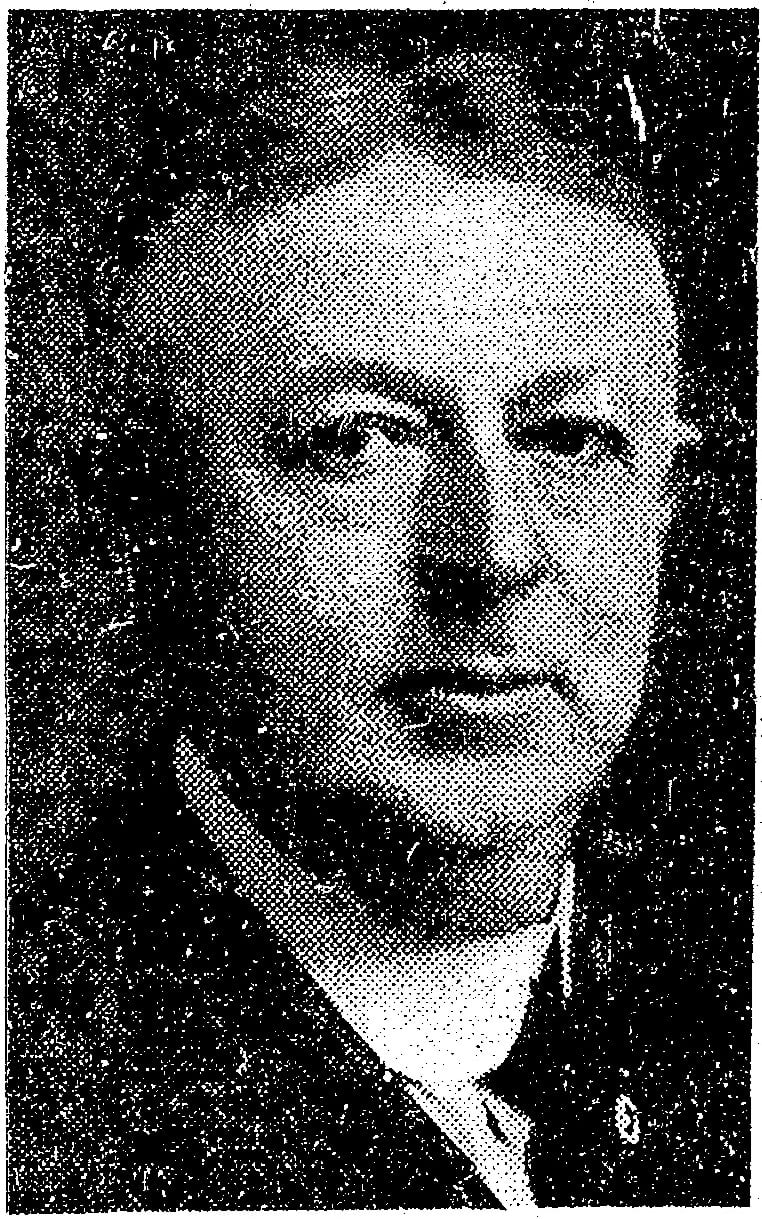
Mueller (SJ-R)
Journal editor J. Emil Smith, one of Mueller’s closest friends (Smith was a pallbearer at Mueller’s funeral), remembered Mueller at his death.
The success attending this wholesale and retail tobacco and cigar store has been due, in my opinion, to the intimate and unique partnership of “Bull” Mueller and his brother-in-law, Joseph C. Kunz. Mueller always was out in front laughing and joking with customers and Kunz, quiet of manner, usually in the back taking care of the books and other details of the extensive business.
In days gone by, the rear room of Mueller’s cigar store was the scene of many political conferences. Mayors and other public officials were “made” as a result of these conferences. Few whose candidacies were launched at Mueller’s cigar store were defeated, and none had a greater booster than Erhardt Mueller.
There was only one “Bull” Mueller.
Mueller is buried at Calvary Cemetery.
Frank Wiedlocher
Frank Wiedlocher (1861-1939) came from a milling family – his father had been a miller in Germany before emigrating to the U.S. before the Civil War. The younger Wiedlocher was only 20 when he leased the water-powered Koke Mill west of Springfield from William Koke.
A few years later, Wiedlocher took over a mill near Fourth and Washington streets in Springfield. The business grew, and Wiedlocher began selling animal feed as well as flour.
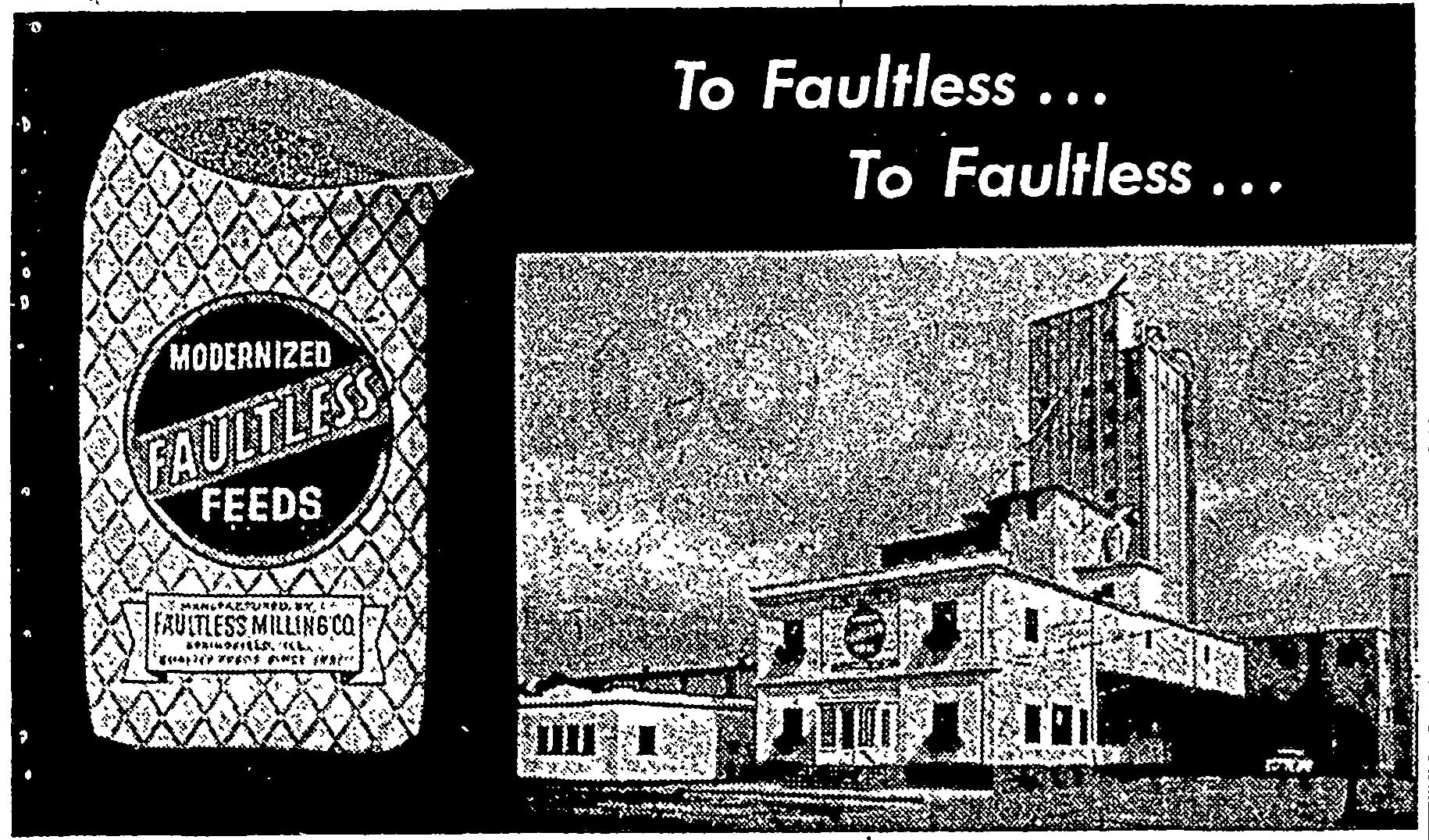
The former Wiedlocher & Sons mill in 1957, when it took up two city blocks at Fourth and Reynolds (SJ-R)
In the mid-1890s, he had a new building constructed at the northwest corner of Fourth and Jefferson streets. Wiedlocher sold flour and feed on the first floor; upstairs was a meeting and entertainment outlet, the Central Music Hall.The hall was a popular location for public and civic gatherings and a number of important conventions were held there,” the Journal reported when Wiedlocher died. “William Jennings Bryan, famous Democratic statesman, made several speeches there.” (Springfieldians also may have seen their first moving picture in Wiedlocher’s hall.
Wiedlocher next became part-owner of the Elevator Milling Co., a giant grain mill across Third Street from the Chicago & Alton railroad station (Springfield’s Amtrak station in 2026).
At the same time, he built Wiedlocher & Sons feed mill near Second and Reynolds streets. By the time Frank Wiedlocher died, the business took up two full city blocks. The Wiedlocher family sold the feed operation in 1948. Growmark bought the plant, then known as the Hubbard Milling Co., and closed it in 1993.
Frank Wiedlocher’s grave also is in Calvary Cemetery.
 Hat tip: Thanks to Roy Mayfield, one of those involved with the 21st-century version of the Reisch Brewing Co., for alerting SangamonLink to the Bull and Bull Calves clubs.
Original content copyright Sangamon County Historical Society. You are free to republish this content as long as credit is given to the Society. Learn how to support the Society.